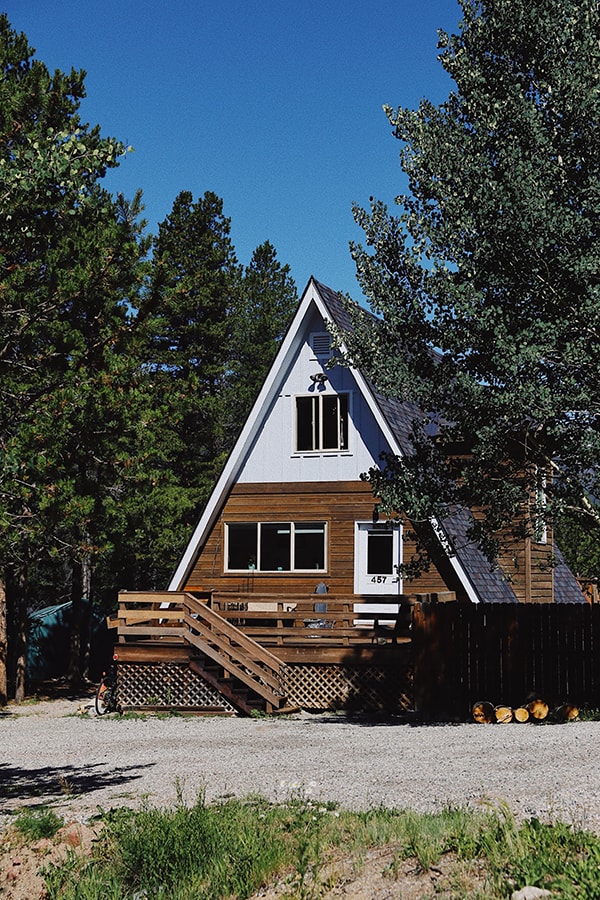
Colorado’s first big snow rarely waits for winter. On the Front Range it often lands in October, sometimes right after a 70-degree afternoon, and it tends to be the heavy, wet kind that tests every weak spot on a roof at once.
The good news: most snow-season roof problems start as small issues you can catch now. A loose shingle, a clogged gutter or a cracked pipe boot is a quick fix in the fall. After a few weeks of melting and refreezing, the same problem can mean stained ceilings, soaked insulation and an emergency repair call.
Here are seven things to check before the snow flies.
1. Shingles: look for hail and wind damage
If your home went through a summer hailstorm, start here. Colorado’s Front Range sits in one of the most hail-prone areas in the country, and hail damage isn’t always obvious from the ground. Once snow sits on a bruised or cracked shingle, meltwater has a direct path into the decking below.
From the ground (or with binoculars), look for:
- Missing, curled, cracked or lifted shingles, especially along ridges and edges where wind hits hardest
- Dark spots or bare patches where the protective granules have been knocked off
- A heavy buildup of granules in your gutters or at the bottom of downspouts
- Dents in metal vents, gutters or siding, which usually mean the shingles took hits too
If you see any of these, schedule an inspection before filing a claim with your insurance company. A roofing contractor can document the damage, and many hail claims have a filing deadline, so it pays not to wait until spring.
2. Gutters and downspouts: clear the path for meltwater
Colorado snow often melts within a day or two of falling, and all that water needs somewhere to go. Gutters packed with leaves, pine needles and shingle granules back up, freeze overnight and turn into heavy blocks of ice that pull on fascia boards and push water under the roof edge.
Before the first storm:
- Clean out leaves and debris, especially after the cottonwoods and aspens finish dropping
- Check that gutters are firmly attached and slope toward the downspouts
- Flush downspouts with a hose to confirm water flows freely
- Make sure downspouts discharge at least a few feet from the foundation so melt doesn’t refreeze on walkways or seep into the basement
If you’re cleaning gutters every few weeks each fall, gutter guards may be worth a conversation with your roofer.
3. Flashing and roof penetrations: seal the weak points
Most roof leaks don’t start in the middle of the shingles. They’re more likely to occur around areas where the roof has openings or transitions, such as chimneys, skylights, plumbing vents, exhaust fans, and valleys where two roof sections meet.
Colorado’s intense high-altitude sun and big daily temperature swings are hard on the sealants and rubber parts around these spots. Check for:
- Metal flashing that is bent, rusted or pulling away around chimneys and walls
- Cracked or dried-out caulk and sealant
- Split rubber boots around plumbing vent pipes, a very common leak source
- Cracked skylight seals or fogging between skylight panes
These are usually inexpensive repairs when caught early, and some of the most valuable fixes you can make before winter.
4. Attic insulation and ventilation: stop ice dams before they form
Ice dams are a classic Colorado winter headache. Warm air leaks from the house into the attic, heats the roof deck and melts the snow on top. That water runs down to the colder eaves, refreezes and builds a ridge of ice. More meltwater then pools behind the ridge and works its way under the shingles.
The fix happens inside the attic, not on the roof. Take a flashlight up and check:
- Insulation depth: if you can see the tops of the floor joists, you probably need more
- Air leaks around recessed lights, bathroom fans, attic hatches and plumbing chases
- Soffit vents that are blocked by insulation or debris
- Ridge or roof vents that are clear and working
- Signs of trouble: frost on nails, damp or dark spots on the decking, or a musty smell
A cold, well-ventilated attic keeps the roof evenly cool, which keeps snow melting slowly and draining the way it should.
5. Overhanging trees: trim before the branches come down
Early-season storms are especially hard on trees in Colorado. When heavy snow arrives before the leaves have dropped, branches catch far more weight than they can hold. Snapped limbs are one of the most common causes of sudden roof damage after the first big storm.
Walk your property and look for:
- Branches hanging directly over the roof or within a few feet of it
- Dead, cracked or hollow limbs that could fail under snow
- Branches rubbing against shingles or gutters in the wind
Trimming back overhanging limbs also means fewer leaves in your gutters and less shade keeping snow and moisture on the roof. For large trees or limbs near power lines, call a licensed arborist.
6. Inside your home: look for early signs of leaks
Your ceilings and walls can tell you a lot about your roof. Small leaks often show up indoors long before anything looks wrong from outside, and winter will only make them worse.
Check the rooms on your top floor for:
- Water stains or brown rings on ceilings, especially near exterior walls and around light fixtures
- Peeling paint or bubbling drywall
- Damp spots or mold in closets and corners
- Daylight showing through the roof boards when you look up from the attic
7. Roof age and structure: know what your roof can handle
Colorado’s heavy, moisture-packed snow can put significantly more weight on your roof than light, powdery snowfall. While a well-maintained roof is designed to handle these conditions, an aging roof or one with existing damage may struggle under the added stress.
Take stock of the basics:
- Age: Many asphalt shingle roofs last roughly 20 to 25 years, and Colorado’s sun, hail and wind can shorten a roof’s lifespan. If yours is near the end of its life, plan ahead rather than waiting for a winter failure.
- Sagging: Look at the roofline from across the street. A dip or wave in the ridge or along the roof planes can point to structural problems.
- Soft spots: Decking that feels spongy underfoot (leave this check to a professional) usually means moisture damage.
- Flat or low-slope sections: Porches, additions and garages with low pitches hold snow longer, so give them extra attention.
After a big storm, resist the urge to climb up and shovel. If snow is piling up deeply on a low-slope roof, a roof rake used from the ground or a professional snow removal service is the safer choice.
Get ahead of the first storm
A safety note before you start: most of these checks can be done from the ground, from a ladder at the gutter line or from inside the attic. Walking on a roof is dangerous, especially on steep pitches or when surfaces are wet or frosty, so leave rooftop inspections to the pros.
If you spotted something on this list, or you just aren’t sure what shape your roof is in after this year’s storms, we can help. Our team knows Colorado roofs and Colorado weather, and a fall inspection is the easiest way to head off a winter emergency.
Contact us today at 303-937-7777 to schedule your pre-winter roof inspection before the snow beats you to it.